Your Smart Home Isn't Truly Smart Without This Critical Safety Step: Firestopping
Upgrading your home with smart technology is an exciting process. You’re adding convenience with automated lighting, creating an immersive experience with a new home theater, or enhancing security with integrated cameras. As you plan where to run the wiring for these fantastic new gadgets, there’s a crucial, often-overlooked step that ensures your high-tech home is also a safe home. Here in St. Catharines, where many of us are updating our properties, it's essential to consider how these upgrades affect your home's built-in fire protection. Every new wire that passes through a wall or ceiling creates a potential pathway for fire and smoke. That's where professional firestopping comes in.
What is Firestopping and Why Does it Matter for Tech Upgrades?
Think of your home's walls and floors as compartments designed to contain a fire, giving you and your family precious time to get to safety. This system relies on fire-rated assemblies—specially constructed walls and ceilings that can resist fire for a specific period. When a contractor drills a hole to run a cable for your new smart speaker, security camera, or ethernet port, they create a breach in that protective barrier.
Firestopping is the process of sealing these openings with specialized materials to restore the original fire rating. It’s not just about filling a hole; it’s a critical life-safety system mandated by the Ontario Building Code. While low-voltage cables for smart home devices might seem harmless, the openings they pass through are not. Without proper sealing, these small gaps can allow smoke and flames to spread rapidly from one room to another, turning a containable incident into a disaster.
Common materials like standard caulking, drywall compound, or spray foam are not sufficient. They will quickly fail under high heat. Professional firestopping uses intumescent sealants, collars, and putties that are specifically designed to expand when heated, completely blocking the opening and stopping the spread of fire.
The Hidden Dangers of Improperly Sealed Cable Penetrations
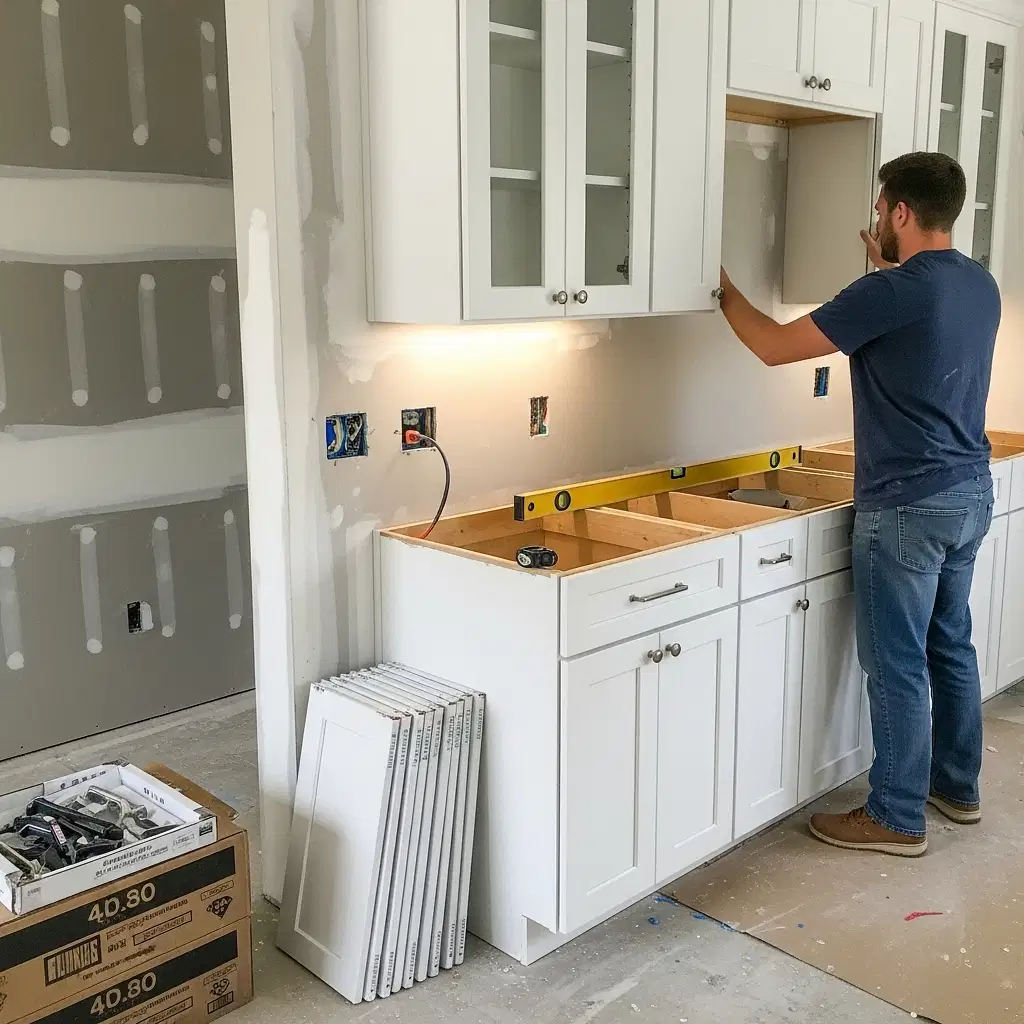
In the excitement of a home reno, it's easy to focus on the finishings. However, what's behind the walls is just as important. A common mistake during DIY or less-than-thorough installations is to simply run the wires and assume a patch of drywall mud is enough. This creates a false sense of security and leaves your home vulnerable.
Here are the key risks associated with unsealed or improperly sealed cable penetrations:
- Compromised Fire Safety: The primary risk is the rapid spread of fire and toxic smoke through your home. Firestopping compartmentalizes a fire, limiting its damage and giving occupants more time to escape.
- Code Compliance Issues: Proper firestopping is a legal requirement. Failing to meet Ontario Building Code standards can lead to issues during a home inspection, complications with insurance claims, and potential liability.
- Reduced Property Value: A knowledgeable home inspector will flag improper penetrations, potentially delaying a sale or forcing costly post-construction repairs.
Ensuring every penetration is sealed by a professional provides peace of mind, knowing that your investment in technology hasn't come at the expense of your family's safety.
Smart Home, Safe Home: Where is Firestopping Needed?
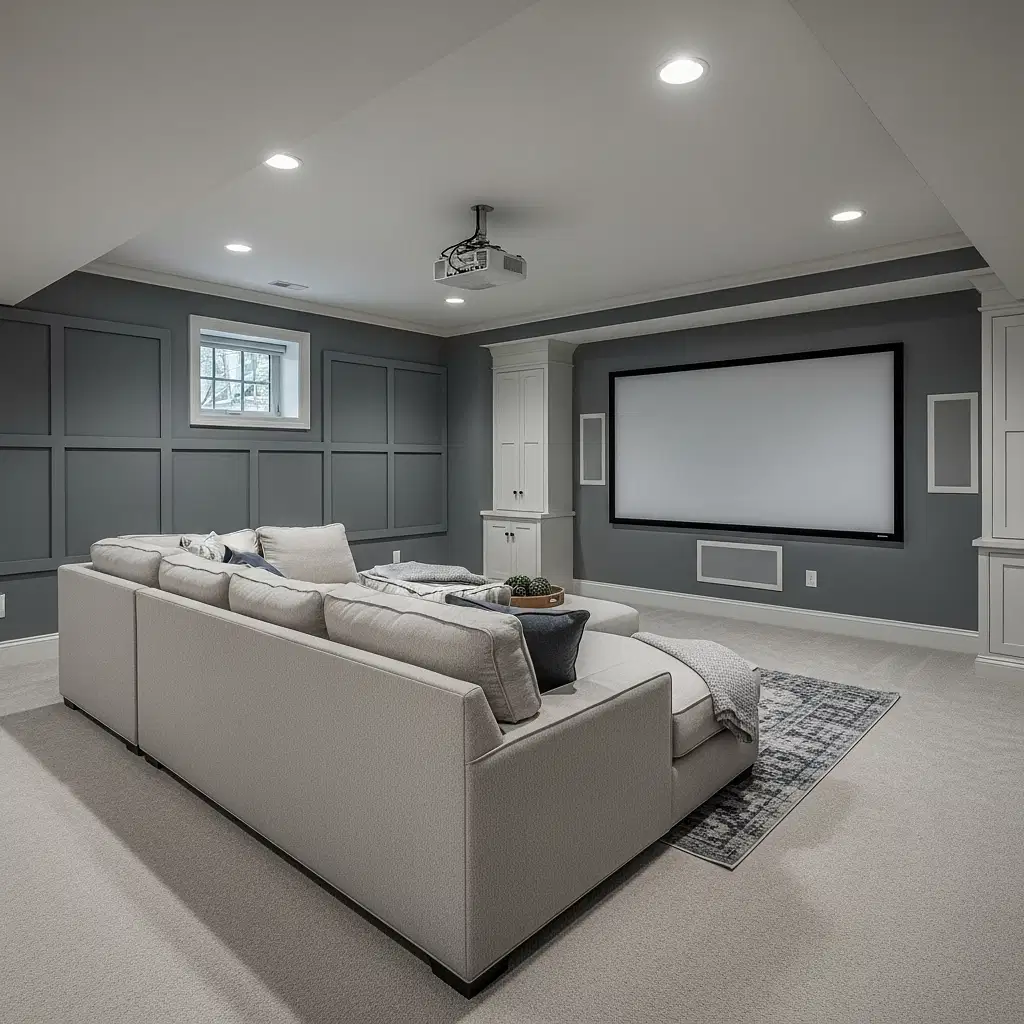
Almost any modern tech upgrade that requires new wiring will involve creating penetrations in your home's fire-rated assemblies. Here are a few common projects where professional firestopping is non-negotiable:
- Home Theaters & Entertainment Systems: Running speaker wires, HDMI cables, and power through walls and ceilings to create that perfect media room experience.
- Smart Lighting & Automated Blinds: These systems require low-voltage wiring to be run to switches, fixtures, and window casings.
- Security Systems: Installing hardwired cameras, sensors, and control panels often means drilling through exterior walls, attics, and interior partitions.
- Wired Internet & Home Networks: Running ethernet cables throughout the house for reliable, high-speed internet access in every room.
For each of these installations, it's crucial to have a plan not just for running the cables, but for properly sealing the openings they create.
More Than Just Fire: The Added Benefits of Professional Sealing
While fire safety is the main goal, using the right materials for sealing penetrations offers other advantages. Professional-grade sealants also play a role in soundproofing and energy efficiency—two major priorities for homeowners.
Properly sealed openings help to reduce airborne sound transmission between rooms. This is a fantastic bonus for home theaters or home offices where you want to minimize noise bleed. Furthermore, a complete seal eliminates drafts and air leaks, which contributes to your home's overall energy efficiency. This is where the principles of interior caulking and firestopping overlap, ensuring your home is not only safe but also comfortable and cost-effective to heat and cool.
By taking a comprehensive approach to sealing your home during a tech upgrade, you enhance its safety, comfort, and performance.
Protect Your Investment and Your Family
Integrating smart technology can transform your living space, but it’s essential to ensure these upgrades are completed safely and correctly. Overlooking firestopping can compromise the structural integrity and safety of your home, turning a modern convenience into a significant liability. Before you begin your next tech reno, make professional firestopping part of the plan.
At Niagara Caulking & Firestopping, we specialize in ensuring your home's fire protection systems remain intact during and after renovations. If you're planning a smart home upgrade in the Niagara Region, contact us today for a consultation. We'll help you ensure your new technology is installed not just smartly, but safely.