
The Unsung Hero of Your Renovation: Kitchen & Bathroom Caulking Essentials
A fresh kitchen or bathroom renovation is one of the most exciting home improvement projects. You’ve spent weeks, maybe months, picking out the perfect tiles, countertops, and fixtures. As the final pieces come together, it’s the small details that truly define the quality and longevity of the work. For homeowners here in the St. Catharines area, one of the most critical finishing touches is often the most overlooked: the caulking. It might not be as glamorous as a new quartz countertop, but professional caulking is the unsung hero that protects your beautiful new space from moisture, mildew, and structural damage. This guide will walk you through why this final step is so crucial and what to look for to ensure your investment is protected for years to come.
More Than Just a Pretty Seal: The Functional Power of Caulking
Many people think of caulk as a simple gap-filler, a cosmetic touch to hide the seams where surfaces meet. While it does create a clean, finished look, its primary job is far more important, especially in high-moisture areas like kitchens and bathrooms. A properly applied, high-quality sealant creates a waterproof, flexible barrier that serves several critical functions:
- Water Damage Prevention: This is the number one job. Gaps around your sink, faucet, bathtub, shower base, and where the backsplash meets the counter are direct invitations for water to seep in. Over time, this moisture can lead to rotting wood in your subfloor and cabinets, warped materials, and costly structural repairs.
- Mold and Mildew Defense: Where there’s persistent moisture, mold and mildew are sure to follow. These fungi not only create unsightly stains and musty odors but can also pose health risks. A sanitary, mold-resistant silicone sealant is specifically designed to inhibit their growth, keeping your air quality clean and your surfaces pristine.
- Pest Control: Tiny gaps and cracks can be an open door for ants and other small pests looking for water and food crumbs. A solid seal effectively blocks their entry points.
- Accommodating Movement: Homes naturally shift and settle over time due to temperature changes and humidity. A flexible sealant can expand and contract with these movements, ensuring the seal remains intact without cracking and pulling away from the surface.
Essentially, that thin bead of caulk is your first line of defense, preserving the integrity and beauty of your brand-new reno.

Not All Caulk is Created Equal: Choosing the Right Material
Walking down the aisle of a hardware store can be overwhelming, with dozens of tubes all promising the best results. For kitchens and bathrooms, the choice is clear: 100% silicone sealant is the industry standard, and for good reason. Unlike acrylic latex caulks (painter's caulk), which can break down with prolonged water exposure, silicone is completely waterproof and highly flexible.
But even within the world of silicone, there are key differences. For wet areas, you should always look for a product labeled as “Kitchen & Bath” or “Sanitary.” These specialized formulas contain biocides, which are active ingredients that prevent the growth of mold and mildew. Using a standard silicone or, worse, an acrylic caulk around a tub or sink is a common DIY mistake that often leads to blackened, peeling seals within a year.
A professional understands the nuances of different materials and surfaces. They know which sealant offers the best adhesion to porcelain, stone, and acrylic, and how to properly prepare each surface to ensure a bond that lasts. This expertise is a key part of a successful interior caulking application.
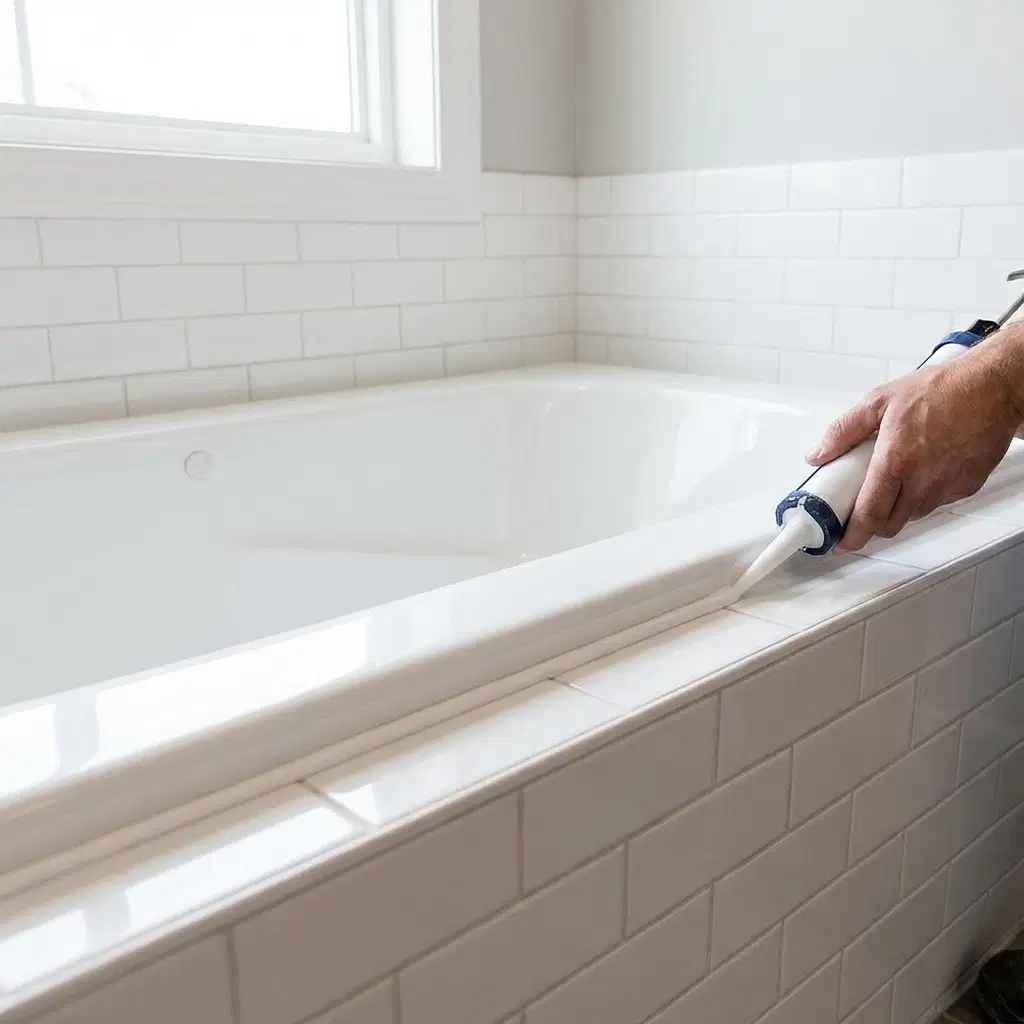
The Professional Difference: Application is Everything
Having the right material is only half the battle. The application process is what separates a temporary fix from a long-lasting, protective seal. A professional approach involves several steps that are often skipped in a rushed or inexperienced job:
- Complete Removal of Old Caulk: Applying new sealant over old, failing caulk is a recipe for disaster. The new bead won't adhere properly and will fail quickly. A pro will carefully cut and scrape away every trace of the old material.
- Thorough Surface Cleaning: The surfaces must be perfectly clean, dry, and free of soap scum, dust, and oils. This is a non-negotiable step for proper adhesion. Often, a solvent like denatured alcohol is used to ensure the surface is pristine.
- Precise Application: Using a high-quality caulking gun, a professional applies a consistent, steady bead of sealant. The goal is to apply just the right amount to fill the gap without creating a mess.
- Expert Tooling: This is the step that creates the clean, concave finish. Immediately after application, the bead is “tooled” with a specialized tool or a wet finger to press the sealant into the joint and smooth the surface. This ensures a watertight seal and a polished look.
When you invest in a kitchen or bathroom renovation, you're investing in your home's value and your daily enjoyment. Skimping on the final, crucial details can undermine that entire investment. Ensuring the caulking is done correctly protects your new space from the inside out.
Protect Your Renovation with Expert Caulking
To recap, the caulking in your kitchen and bathroom is a small detail with a huge impact. It prevents water damage, stops mold in its tracks, and provides a durable, clean finish that completes your project. The key to success lies in using the right materials—a 100% silicone sanitary sealant—and ensuring it's applied with professional precision.
If you're planning a renovation or need to replace old, failing caulk in your home in the Niagara Region, don't leave this critical job to chance. At Niagara Caulking & Firestopping, we specialize in providing flawless, long-lasting seals that protect your home. Contact us today to learn more about our professional interior caulking and other services, and let us help you put the perfect finishing touch on your project.