The Essential Guide to Firestopping Chimney Chases and Fireplace Flues
There is nothing quite like the crackle and warmth of a roaring fireplace to help you get through a long, snowy winter in the Golden Horseshoe. Whether you are enjoying a quiet evening at home with the family or retreating up to Cottage Country for a weekend getaway, fireplaces remain one of the most beloved features of Canadian homes. However, behind the beautiful brickwork or sleek modern tile surround lies a critical safety feature that is all too often overlooked by homeowners and inexperienced builders alike: proper firestopping.
While a fireplace is designed to safely contain and vent a fire, the structure built around the flue pipe—known as the chimney chase—can inadvertently become a massive hazard. If left unsealed, this vertical shaft acts exactly like a chimney for any fire that starts elsewhere in the home, pulling oxygen upward and allowing flames and toxic smoke to spread from the basement to the attic in a matter of minutes. This phenomenon, known as the chimney effect, is incredibly dangerous.
Beyond the severe safety risks, an improperly sealed chimney chase is also a major culprit for energy loss. Drafts escaping through these hidden gaps can force your heating system to work overtime, driving up your Hydro bills during our freezing winters. At Niagara Caulking & Firestopping, we believe that understanding the hidden mechanics of your home's structural safety is the first step toward protecting your family and your investment. Let's take a closer look at why securing these spaces is an absolute necessity for modern home construction and renovation.
Navigating Code Compliance and Safety Standards
When undertaking a home renovation or a new build, navigating complex provincial regulations like the Ontario Building Code can be a major headache for homeowners. One of the most stringent areas of these codes revolves around chimney fire separation building code requirements. The code dictates that any time a penetration is made through a fire-rated floor or ceiling assembly—such as running a flue pipe from a main-floor fireplace up through the second story and roof—the fire resistance rating of that floor or ceiling must be fully restored.
Unfortunately, the construction industry often grapples with a shortage of skilled tradespeople who deeply understand these specialized requirements. Many uncertified operators might simply close up the drywall around a chimney without properly addressing the hidden gaps, leaving the homeowner completely unaware of the structural vulnerability. This is where hiring a legitimate, fully insured, and WSIB-compliant general contractor becomes crucial.
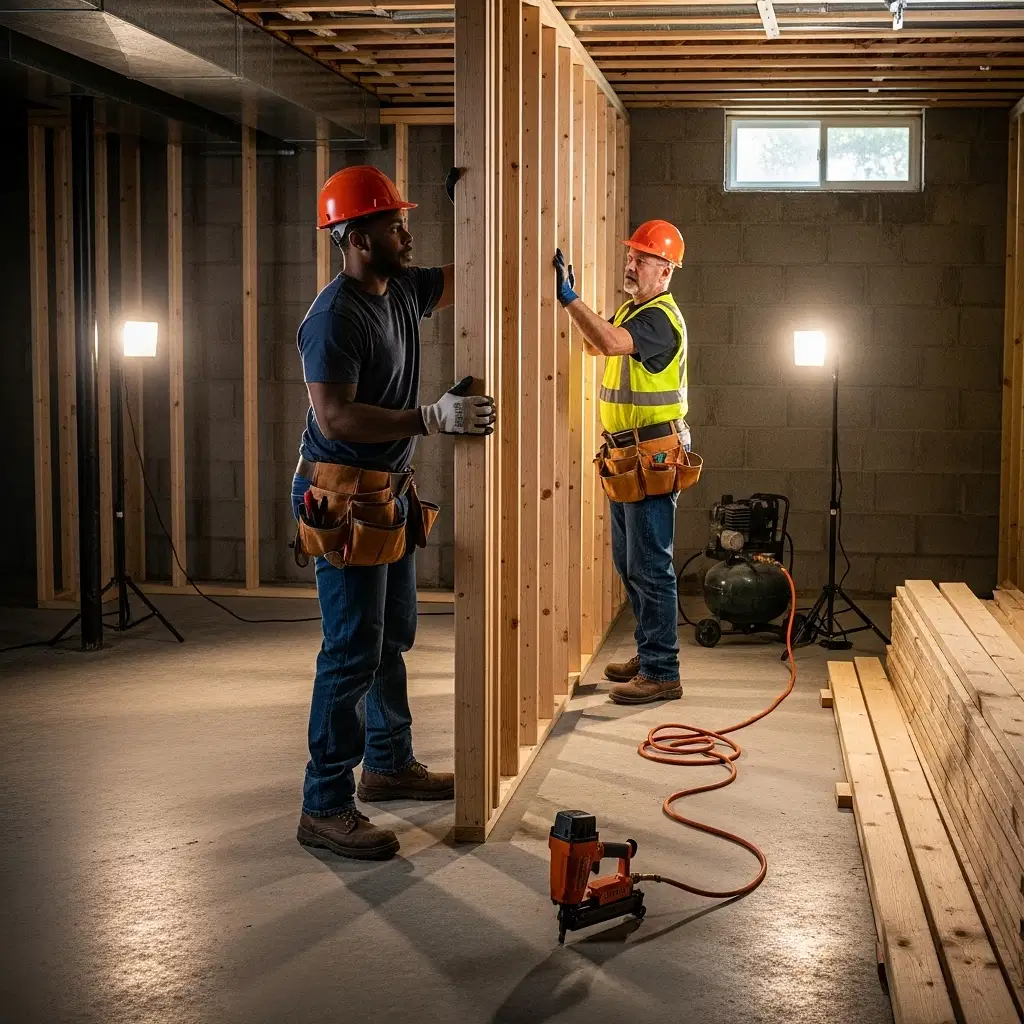
Proper separation requires installing a physical barrier within the chase at each floor level. This barrier prevents fire, smoke, and combustible gases from using the empty cavity to bypass the home's natural compartments. Meeting these stringent requirements isn't just about satisfying a municipal building inspector; it is about providing critical extra minutes for a family to safely evacuate in the event of an emergency. As homes are increasingly built to tighter energy-efficiency standards and net-zero targets, ensuring that these interior air barriers are also fully fire-rated has never been more important.
The Mechanics of Sealing the Chase
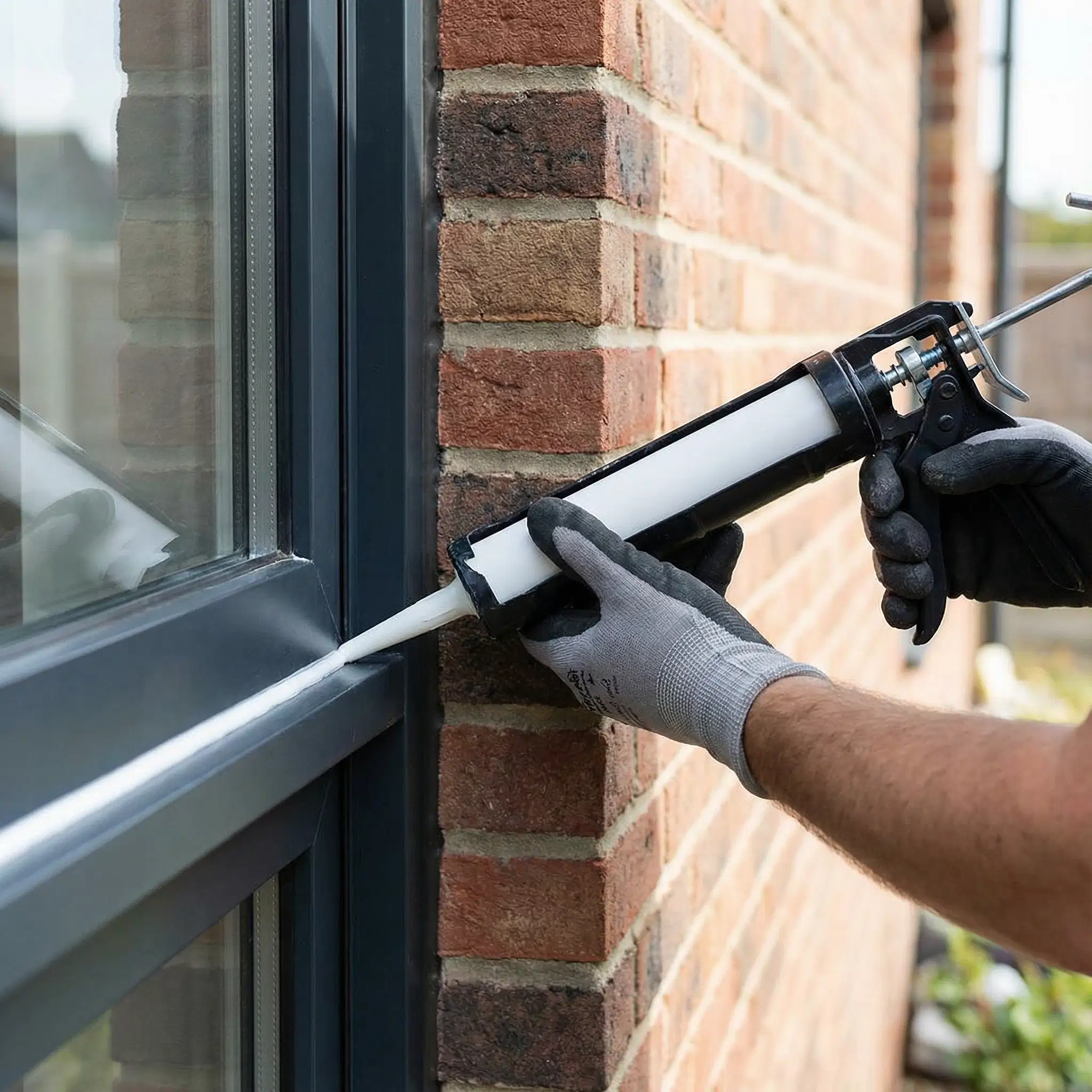
Properly addressing the gaps in a chimney assembly involves specific techniques and specialized materials. When it comes to firestopping chimney chase penetrations, standard construction materials simply will not cut it. You cannot use expanding foam insulation or standard caulking, as these materials are highly combustible and will melt or ignite when exposed to extreme heat.
Instead, sealing fireplace flue ceiling firestop assemblies requires the use of intumescent materials. An intumescent fire rated sealant for chimney pipes is uniquely engineered to expand when exposed to high temperatures. If a fire breaks out, the sealant swells to many times its original size, tightly choking off the annular space (the gap between the pipe and the surrounding structure) and creating a solid, fire-resistant char that blocks the passage of flames and toxic gases.
Installing these materials correctly requires a high level of precision and expertise. The area must be thoroughly cleaned and prepared, and the sealant must be applied at the correct depth and thickness to meet the manufacturer's tested specifications. While our team frequently handles standard Interior Caulking to keep your home comfortable and draft-free, the application of intumescent sealants in a chimney chase is a specialized discipline that strictly prioritizes life safety over simple weatherproofing. It is an intricate process that demands the meticulous attention to detail that only a seasoned professional can provide.

Choosing the Right Team for the Job
When it comes to the safety and integrity of your property, taking shortcuts is never worth the risk. Many homeowners struggle to differentiate between reputable contractors and those who might cut corners behind the drywall. Prioritizing clear communication, transparent pricing, and a strong local reputation is the best way to ensure your renovation is handled correctly from start to finish. You should always feel comfortable asking your contractor about their specific approach to fire safety, their understanding of current building codes, and their standing with provincial safety boards.
Whether you are building a new custom home in Lincoln, upgrading an older property, or converting a single-family house into a legal duplex, ensuring that your property's vertical shafts are properly protected is a non-negotiable step. The peace of mind that comes from knowing your home is structurally secure and compliant with all safety standards is truly invaluable.
If you have questions about your home's fire safety barriers or are planning a renovation that involves fireplace venting, our experienced team is here to help. We pride ourselves on delivering exceptional craftsmanship and unwavering reliability to our community. Learn more about our comprehensive Firestopping services, or Contact Us today to discuss how we can help protect your home and your family.