
Protecting Your Vintage: Sealing and Firestopping for Niagara Estate Wineries
The local region is world-renowned for its exceptional vineyards, rich agricultural history, and stunning estate wineries. But running a successful winery in St. Catharines and the surrounding escarpment isn't just about perfecting the latest vintage or cultivating the best grapes; it is about meticulously maintaining the physical structures that house your production facilities, tasting rooms, and barrel cellars. From historic brick architecture that has stood for generations to modern, eco-friendly tasting rooms designed to host thousands of visitors, these buildings face a unique set of environmental and regulatory challenges.
Winery buildings are complex structures. They must simultaneously serve as heavy industrial manufacturing spaces, climate-controlled storage facilities, and high-end hospitality venues. This dual nature means that facility managers and estate owners must balance the aesthetic appeal of their public spaces with the rigorous safety and structural requirements of a production environment. When the building envelope fails, or when interior safety measures are overlooked, the consequences can range from skyrocketing energy bills and compromised wine quality to severe safety hazards and regulatory fines.
In this guide, we will explore the critical importance of maintaining your winery's structural integrity and safety through professional sealing and passive fire protection. By understanding how these specialized services protect your property, you can make informed decisions that safeguard your investment, your staff, and your guests for years to come.
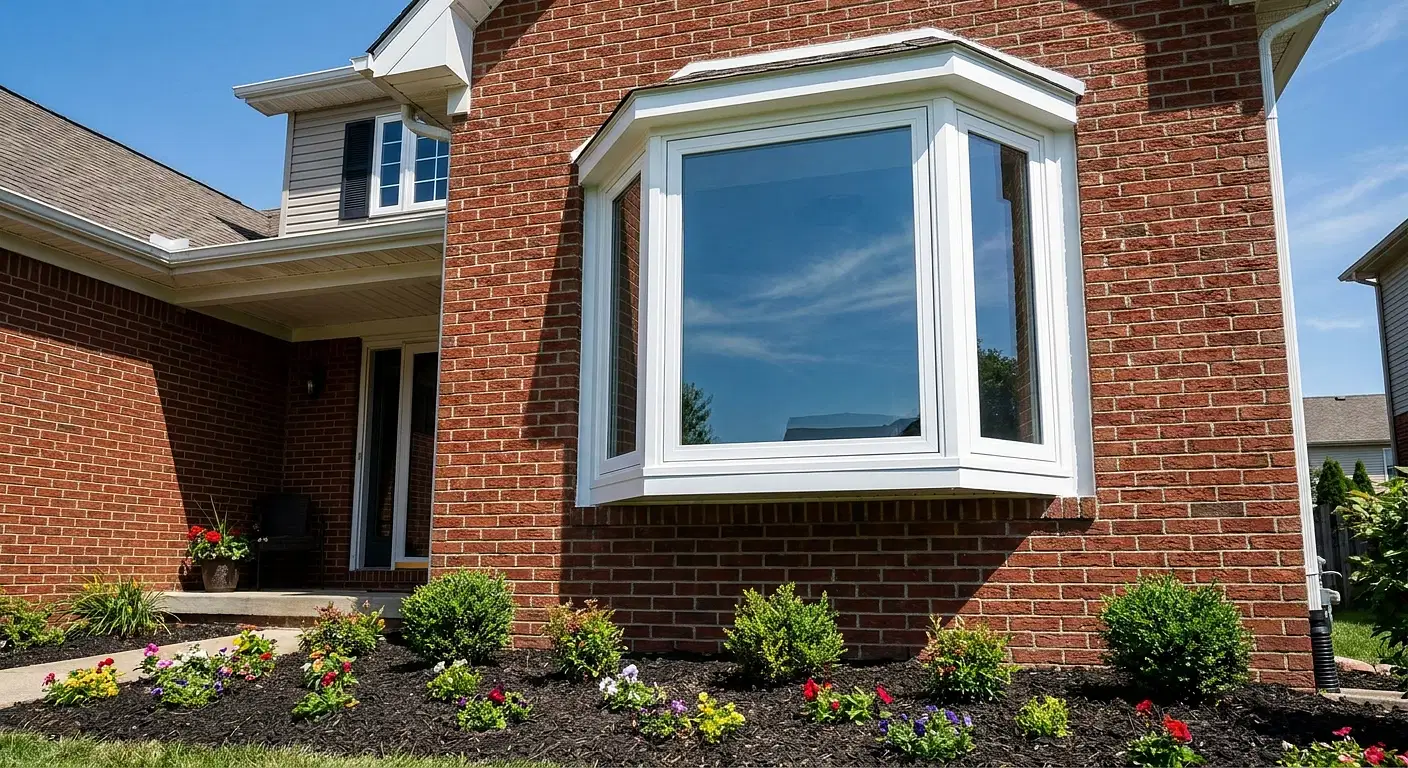
Weatherproofing Winery Tasting Room Exteriors
Ontario's climate is notoriously demanding on commercial buildings. The dramatic freeze-thaw cycles of our harsh winters, combined with the intense humidity and heat of our summers, can wreak havoc on building envelopes. For wineries situated Below the Hill or nestled along the escarpment, exposure to driving rain, wind, and fluctuating temperatures is a constant battle.
Sealing exterior masonry in estate wineries is a critical maintenance step that is frequently overlooked until a visible leak occurs. Over time, the mortar and sealants around stone and brickwork naturally degrade. When this happens, moisture infiltrates the building envelope. In a winery setting, moisture intrusion is particularly dangerous. Not only does it cause drafts that make your tasting rooms uncomfortable for guests, but it can also disrupt the carefully calibrated humidity and temperature controls required in your barrel rooms and storage areas. Furthermore, trapped moisture within masonry can freeze during the winter, causing the brick or stone to crack and spall, leading to incredibly costly structural repairs.
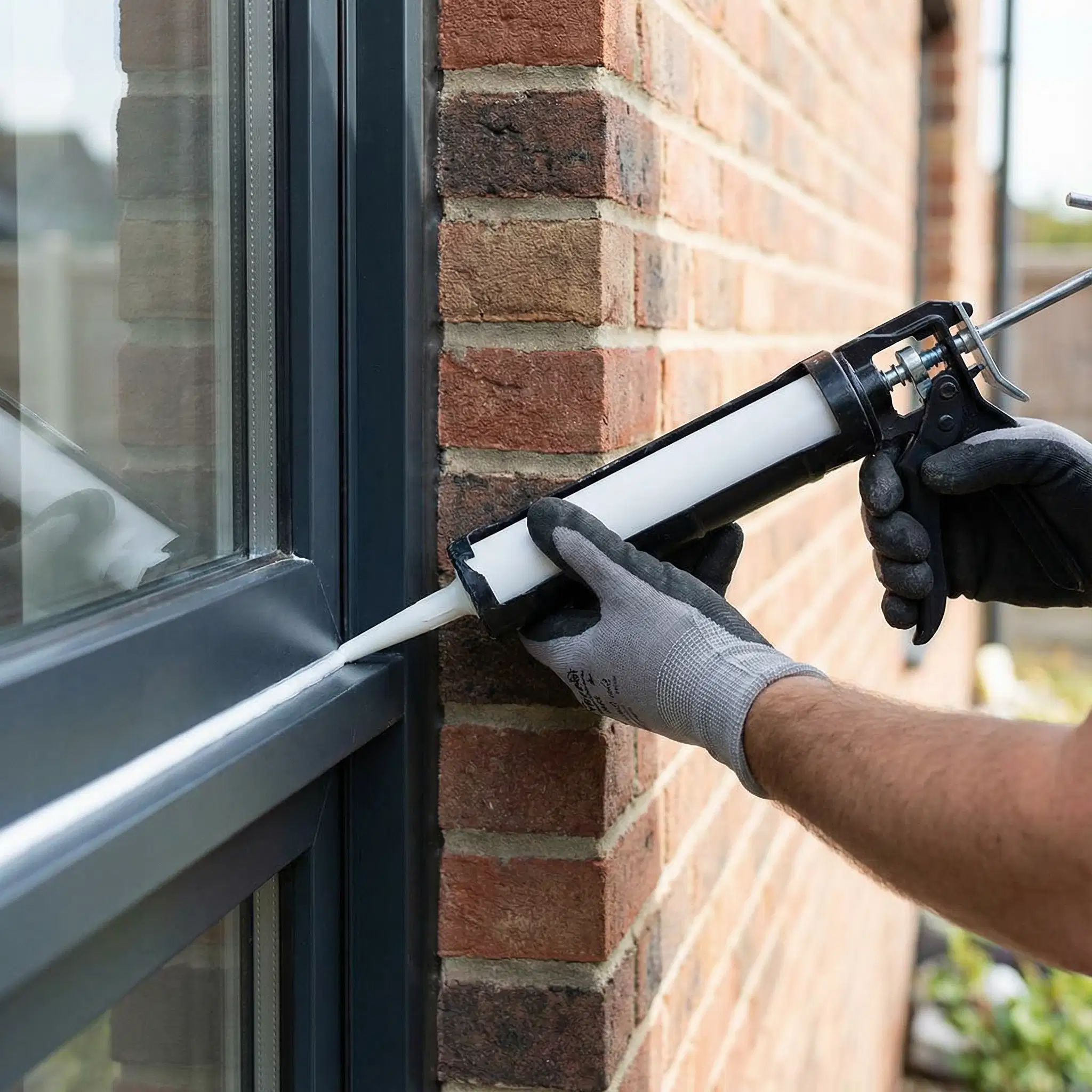
Weatherproofing winery tasting room exteriors requires a proactive approach. By investing in professional exterior caulking, you create a watertight and airtight seal around windows, doors, expansion joints, and masonry transitions. High-quality, commercial-grade sealants are designed to expand and contract with the building, accommodating the natural shifting that occurs throughout the Canadian seasons. This precision sealing protects your architectural investment, significantly lowers heating and cooling costs, and ensures that your hospitality spaces remain inviting and comfortable year-round, regardless of what the weather is doing outside.
Passive Fire Protection for Hospitality Buildings and Production Facilities
While exterior maintenance keeps the harsh weather out, interior safety measures are what protect your staff, guests, and valuable inventory from catastrophic loss. Wineries are unique because they combine heavy industrial production environments with luxurious, high-traffic hospitality spaces. This combination requires strict adherence to the Ontario Building Code and rigorous safety protocols.
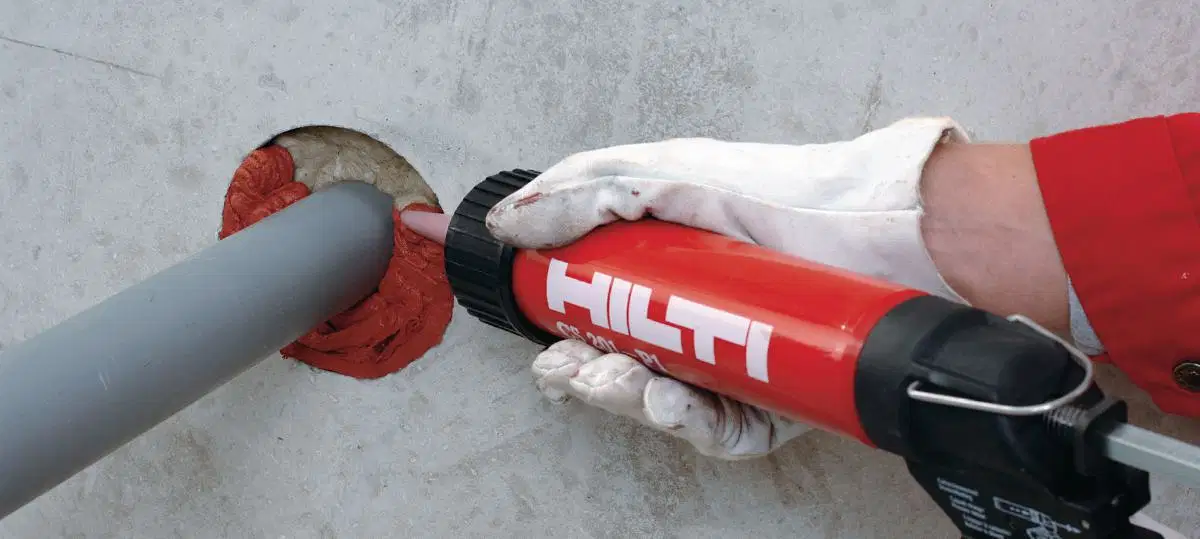
Firestopping for winery production facilities is an essential, non-negotiable component of your building's overall life safety plan. Production areas are filled with specialized equipment, heavy electrical loads, and complex plumbing networks, including glycol lines for temperature control. Wherever these pipes, cables, and conduits pass through fire-rated walls or floors, they create vulnerabilities. If a fire breaks out, these penetrations act as pathways, allowing smoke, toxic gases, and flames to spread rapidly from one room to another.
Unlike active systems like sprinklers or alarms, passive fire protection works silently to contain a fire to its point of origin. By professionally sealing these penetrations with specialized, fire-resistant materials, you compartmentalize the building. This containment is crucial for minimizing property damage and protecting your highly valuable production equipment and wine inventory.
This containment strategy is equally vital in your public-facing areas. Passive fire protection for hospitality buildings ensures that in the event of an emergency, the spread of smoke and fire is slowed down significantly. This provides occupants—many of whom may be unfamiliar with the building's layout—with the precious time they need to safely evacuate. Our team specializes in comprehensive firestopping solutions that meet all municipal and provincial regulations, giving you total peace of mind and keeping your operations fully compliant with local fire marshals and insurance providers.
Navigating Compliance and Choosing the Right Contractor
We know that winery owners and facility managers have a tremendous amount on their plates, from managing supply chain logistics to overseeing daily hospitality operations. When it comes to facility maintenance, one of the biggest challenges in the local construction industry is finding reliable contractors who operate with total professionalism. The market is unfortunately crowded with unlicensed or uninsured operators who may underbid legitimate contractors, but who ultimately put your business at immense risk.
When dealing with commercial properties, especially those hosting the public, you need a partner who is fully licensed, WSIB-compliant, and carries comprehensive liability insurance. You also need a team that understands the specific zoning bylaws, building codes, and permit processes of the region, ensuring that any upgrades or maintenance work won't cause regulatory delays or compliance issues down the road. Whether you are retrofitting an older character home on your estate to serve as a new tasting room, or constructing a massive, state-of-the-art production wing, working with a reputable team is crucial. We pride ourselves on transparent pricing, detailed written estimates, and a strict commitment to project timelines, so you never have to worry about unexpected scope creep or hidden fees.
Protecting your estate winery requires a proactive, expert approach to both weatherproofing and life safety. Don't wait for a failed inspection or a costly water leak to address your building's needs. If you are ready to secure your facility against the elements and ensure total code compliance, reach out to Niagara Caulking & Firestopping. Contact us today to schedule a detailed consultation for your Niagara property, and let us help you safeguard your business, your vintage, and your legacy for generations to come.