
Protecting Your Concrete: The Essential Guide to Expansion Joint Caulking for Freeze-Thaw Protection
Living in The Garden City means we get to enjoy four distinct, beautiful seasons. However, the transition from wet autumns to freezing winters and back again creates a unique set of challenges for local homeowners. One of the most destructive forces your property faces during these seasonal shifts is the freeze-thaw cycle, particularly when it comes to your concrete driveways, walkways, and patios.
Concrete is incredibly durable, but it is not immune to the elements. When water finds its way into the intentional gaps in your concrete—known as expansion and control joints—and subsequently freezes, it expands with immense force. Over time, this natural process can cause significant structural damage to your exterior surfaces, leading to unsightly cracks, tripping hazards, and expensive repairs.
At Niagara Caulking & Firestopping, we often hear from homeowners who are frustrated by crumbling driveways and shifting slabs. Protecting your investment starts with understanding how the freeze-thaw cycle works and taking proactive steps to seal out moisture before the severe winter weather sets in.
The Science Behind Freeze-Thaw Damage
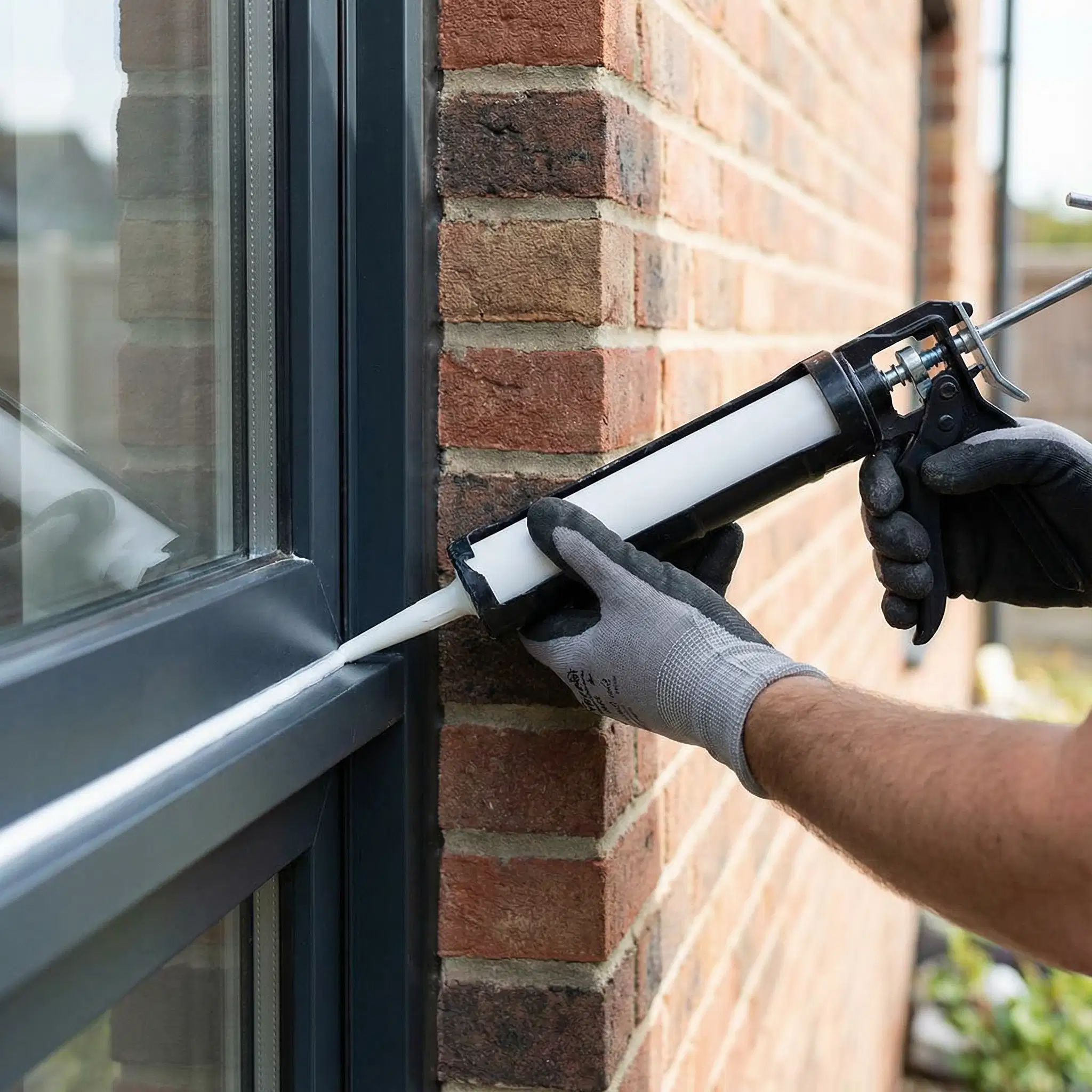
To understand why sealing your concrete is so important, it helps to look at the mechanics of freeze-thaw cycles. Concrete expands and contracts with temperature changes, which is why builders intentionally place control joints and expansion joints in the slabs. These joints act as pressure relief zones, allowing the concrete to shift slightly without cracking.
However, these joints also create a direct pathway for water to enter. During a classic Ontario winter, snowmelt and rain seep into these unsealed gaps. When temperatures drop overnight, that trapped water freezes and expands by up to nine percent. This expansion exerts incredible pressure against the concrete walls of the joint.
When the ice melts the next day, the water recedes, leaving a slightly widened gap. The cycle repeats itself countless times throughout the winter, continually wedging the concrete apart. Preventing freeze thaw damage to concrete slabs requires completely cutting off this moisture supply. If left unaddressed, the concrete will eventually spall, crack, and heave, which can disrupt the grading around your foundation—a critical issue for homes situated Below the Hill where natural drainage can already be a challenge.
Recognizing When It Is Time for Maintenance
Many homeowners overlook their concrete joints until the damage is already severe. So, what should you be looking for during your seasonal home maintenance checks?
The most obvious sign is replacing deteriorated expansion joint filler in concrete. Older homes often have wood or fiberboard strips placed between concrete slabs during the original pour. Over the years, these materials rot, shrink, and completely disintegrate, leaving wide open channels for water and debris.
Another clear indicator of failing joints is persistent weed growth. If you find yourself constantly pulling weeds or spraying herbicides in the cracks of your driveway, it means soil and moisture have accumulated deep within the joint. Furthermore, if you notice the edges of the concrete joints beginning to chip away or small spiderweb cracks radiating from the joints, the freeze-thaw damage has already begun.
Addressing these issues promptly not only maintains your home's curb appeal but also significantly extends the lifespan of your exterior flatwork.
The Solution: Professional Flexible Sealants
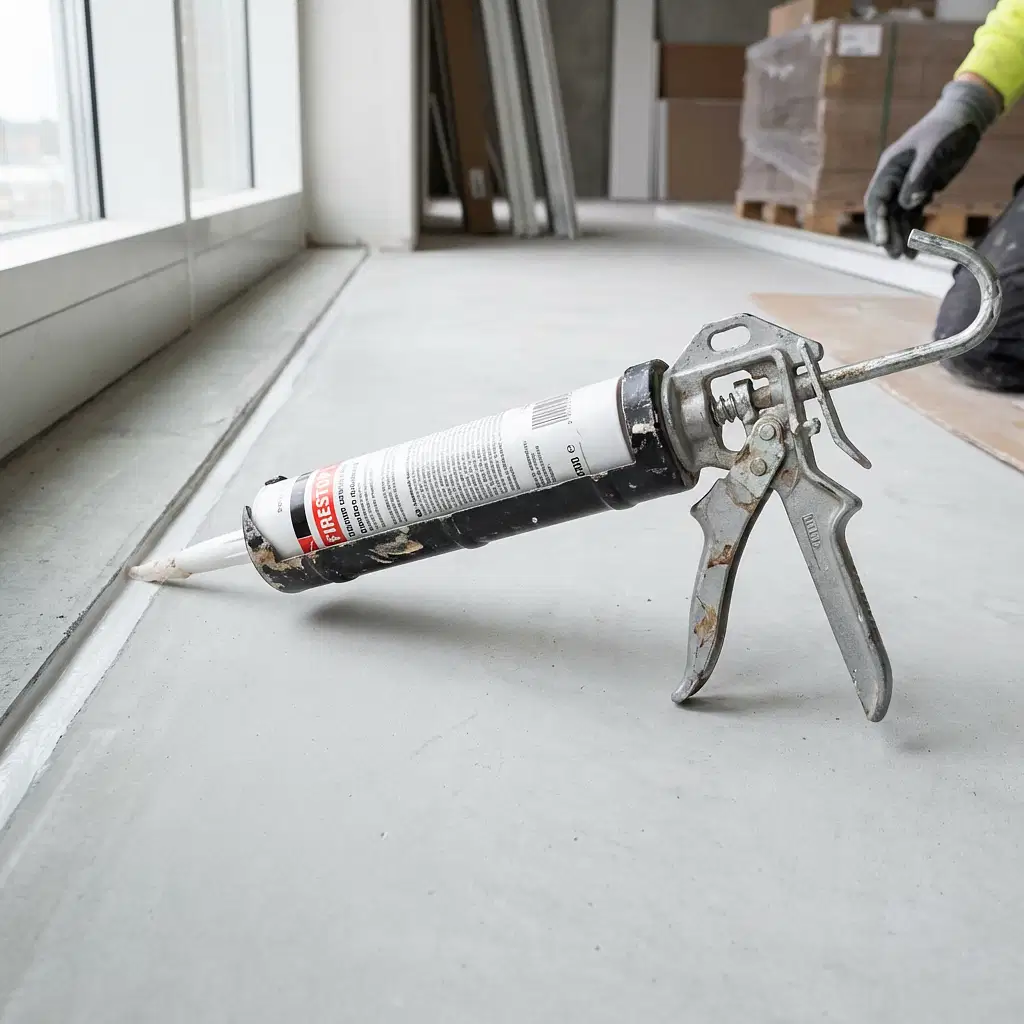
The key to long-lasting protection is using the right materials and proper application techniques. Standard hardware store caulk or rigid patching compounds will simply crack and fail as the concrete naturally shifts. Instead, the solution requires a high-quality flexible sealant for concrete expansion joints.
These specialized, commercial-grade sealants are designed to stretch and compress with the concrete's movement while maintaining a completely waterproof bond. Determining the best caulking for driveway control joints often depends on the specific width of the gap, the anticipated traffic load, and the desired aesthetic finish.
The application process is just as critical as the product itself. Proper installation involves thoroughly cleaning the joint, grinding the edges if necessary to ensure a solid bonding surface, and installing a closed-cell backer rod. The backer rod serves a dual purpose: it prevents the sealant from sinking too deep into the ground and forces the caulking to adhere strictly to the sides of the concrete, creating an hourglass shape that maximizes flexibility.
While this might sound straightforward, achieving a durable, aesthetically pleasing finish requires professional expertise. Properly tooling the sealant ensures it sits just below the surface of the concrete, protecting it from snow shovels and vehicle tires.
Why Choose Professional Installation?
We know that inviting a contractor to your home requires trust. We frequently speak with homeowners who have had poor experiences with unreliable operators, leading them to demand transparency, verified reviews, and proof of liability insurance.
When you work with our team, you receive a detailed, written estimate with no hidden costs or surprise fees. We are fully WSIB compliant and carry comprehensive liability insurance, giving you total peace of mind while we are on your property. We understand that project timelines are crucial, especially when racing against seasonal weather changes, which is why we communicate clearly and adhere strictly to our scheduled commitments.
Protecting your concrete doesn't have to be a stressful process. By investing in professional exterior caulking, you are actively extending the life of your driveway and patios while enhancing your home's overall resilience against the elements.
Don't wait until the first hard freeze causes irreversible damage to your concrete slabs. If you're noticing missing filler or widening gaps in your driveway, reach out to our team in the Niagara region today. Visit our Contact Us page to request a detailed, transparent quote, and let us help you protect your investment for years to come.