
Preserving Charm, Enhancing Comfort: Sealing Your Heritage Home for Modern Energy Efficiency
Living in one of St. Catharines' beautiful heritage homes is a unique privilege. From the historic streets of Port Dalhousie to the classic architecture found throughout the Niagara Region, these properties possess a character and charm that new builds simply can't replicate. However, that timeless beauty often comes with a trade-off: drafts, chilly rooms, and surprisingly high energy bills. The very construction methods that give these homes their soul can also make them inefficient in our modern climate.
Many owners of older homes feel they have to choose between preserving historical integrity and achieving modern comfort and efficiency. The good news is, you don't have to. With strategic, professional sealing, you can significantly reduce energy waste, eliminate drafts, and protect your home from the elements, all while respecting its unique architectural details. This guide will explore how modern caulking techniques can bridge the gap between historic preservation and contemporary performance.
Understanding Why Older Homes Lose Energy
Before we can solve the problem, it's important to understand why heritage homes are so prone to air leakage. Unlike modern homes, which are built with airtightness as a priority, older homes were designed to 'breathe'. This, combined with the natural aging of materials, creates numerous pathways for air to travel in and out.
Common culprits include:
- Original Windows and Doors: Over time, the seals around vintage window and door frames can shrink, crack, or pull away, creating significant gaps. The frames themselves may have settled, leaving spaces for air to penetrate.
- Gaps in the Building Envelope: The points where different materials meet—such as wood siding against a stone foundation, or where a chimney passes through a wall—are frequent sources of air leaks.
- Aging Masonry: Brick and stone are porous materials. Over decades, mortar joints can degrade, allowing for moisture and air intrusion.
- Interior Gaps: Small, often overlooked gaps around baseboards, electrical outlets, and plumbing penetrations can collectively contribute to major heat loss.
These small leaks add up, forcing your heating and cooling systems to work overtime. This not only drives up utility costs but also creates uncomfortable, drafty living spaces and can even introduce moisture issues that threaten the structure of your home.
The Modern Solution: Strategic and Professional Caulking
Sealing these air leaks is the single most effective way to boost your home's energy efficiency. However, for a heritage property, the approach must be precise and thoughtful. It’s not about slathering sealant everywhere; it’s about using the right materials in the right places to create a complete, protective barrier.
This is where professional exterior caulking and interior caulking become essential.
Exterior Caulking: Your First Line of Defense
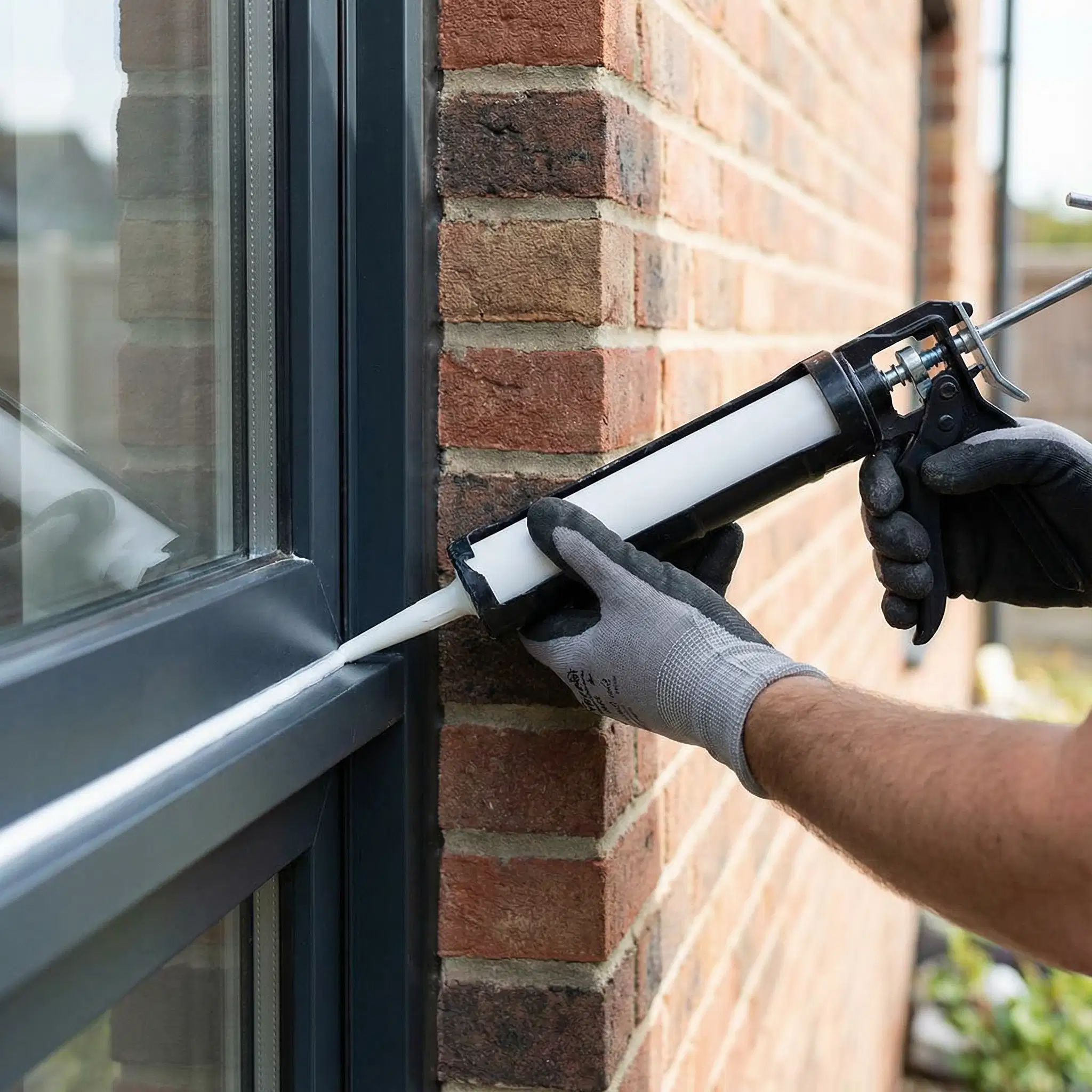
Think of exterior caulking as the protective shell for your home. Its primary job is to block air, water, and pests from entering from the outside. For a heritage home, this involves meticulously sealing:
- Window and Door Perimeters: Creating a durable, weatherproof seal between the frame and the wall is critical. We use high-performance, flexible sealants that can withstand the expansion and contraction of building materials through Niagara's distinct seasons.
- Siding and Trim: Sealing gaps at corner joints, around trim boards, and where siding meets the foundation prevents wind-driven rain and drafts from getting behind your walls.
- Masonry Control Joints: Applying the correct type of sealant to joints in brick or stone work prevents water from seeping in, which can lead to spalling and costly masonry repairs down the line.
Interior Caulking: Finishing the Seal from Within
While exterior work stops the initial intrusion, interior caulking completes the air barrier. This process focuses on sealing gaps inside the home to stop conditioned air from escaping and to prevent drafts from moving between rooms. Key areas include:
- Baseboards and Trim: Sealing the top and bottom of baseboards, especially on exterior walls, is a simple but highly effective way to stop air leaks.
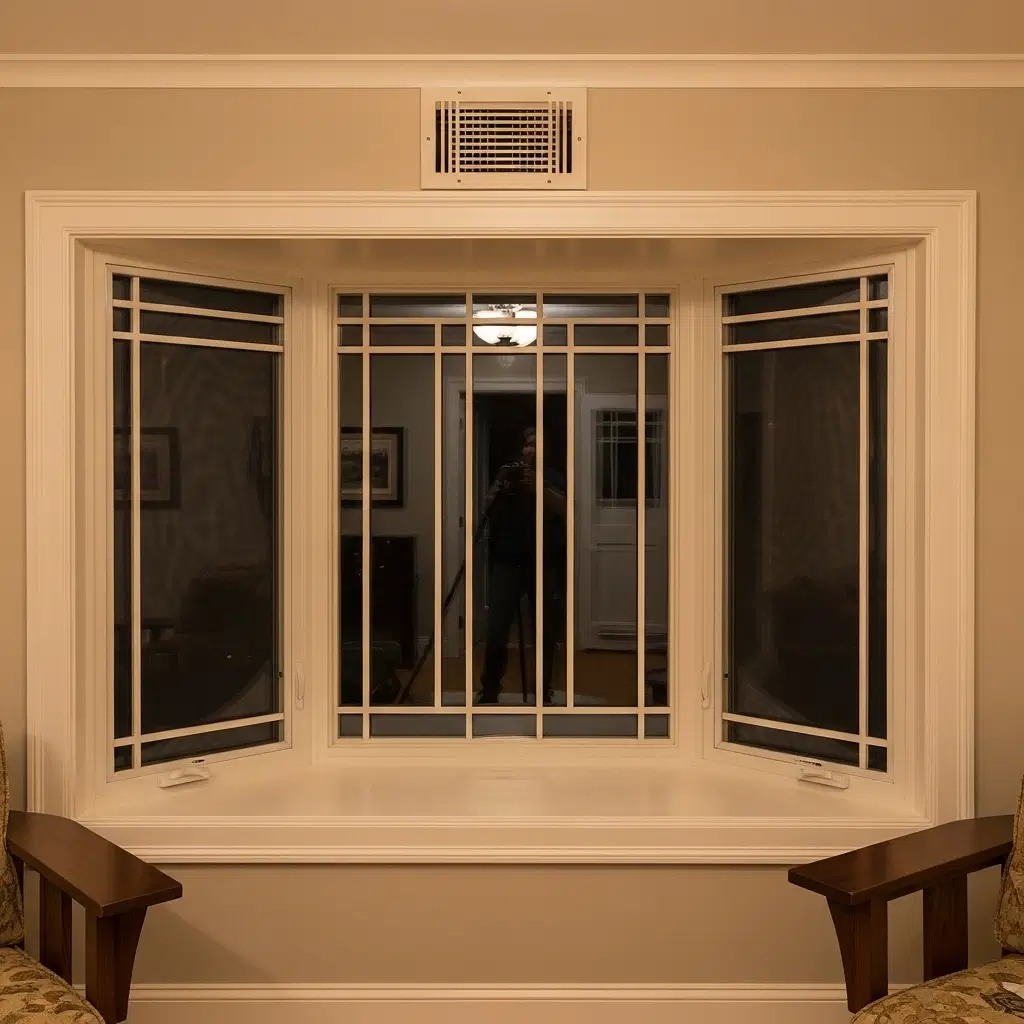
- Window and Door Casings: Applying a clean bead of caulk between the casing and the wall eliminates a common source of drafts you can often feel with your hand.
- Attic and Basement Air Leaks: Sealing around plumbing pipes, wiring, and ductwork that passes into unconditioned spaces like the attic or basement is crucial for preventing heat loss.
Choosing the Right Partner to Protect Your Property
When it comes to a heritage home, the contractor you choose is just as important as the materials they use. An inexperienced hand can cause damage or use products that are incompatible with older materials, potentially trapping moisture and creating bigger problems.
When vetting a professional, prioritize experience, transparency, and a commitment to quality. A trustworthy contractor will be fully licensed and insured, happy to provide a detailed quote explaining the scope of work, and have demonstrable experience working on properties similar to yours. They should understand the unique challenges of older homes and be able to recommend the best sealants and techniques to preserve your home's character while improving its performance. This isn't just a simple reno; it's an investment in the long-term health and comfort of your home.
Embrace Comfort Without Compromise
Owning a piece of The Garden City's history doesn't mean you have to endure drafty winters and high energy bills. By addressing air leakage with professional exterior and interior caulking, you can create a more comfortable, cost-effective, and durable home for the future.
Proper sealing protects your home's structure from moisture, enhances indoor air quality, and provides an immediate and noticeable improvement in comfort. It’s a smart, targeted upgrade that respects the past while preparing your home for the future.
If you're ready to enhance the energy efficiency and comfort of your heritage home in St. Catharines, we can help. Contact Niagara Caulking & Firestopping today for a professional consultation. Let our team provide the expert caulking services your unique property deserves.