Beyond the Sprinklers: A Restaurant Owner's Guide to Firestopping in Commercial Kitchens
A commercial kitchen is a symphony of controlled chaos. The sizzle of the grill, the clang of pans, and the constant motion create an environment of high energy and high heat. As a restaurant owner or manager in the vibrant Niagara Region, you know that safety is paramount. You have fire extinguishers, suppression systems over your cooktops, and well-practiced evacuation plans. But what about the fire safety system you can't see? A fire's greatest ally is an unsealed opening in a wall or floor. This is where passive fire protection, specifically professional firestopping, becomes one of the most critical investments you can make in the safety of your staff, your patrons, and your business.
What is Firestopping and Why is it Non-Negotiable in a Kitchen?
Simply put, firestopping is the process of sealing openings and joints in fire-rated walls and floors to restore their ability to block fire and smoke. Active systems like sprinklers are designed to suppress a fire, but passive systems like firestopping are designed to contain it. By compartmentalizing a building, firestopping prevents a small kitchen fire from rapidly spreading to dining areas, storage rooms, or adjacent units, buying invaluable time for evacuation and for first responders to arrive.
Commercial kitchens are uniquely vulnerable due to the sheer number of penetrations required for their operation:
- Grease Ducts and Kitchen Exhaust Systems: These are arguably the biggest fire risk. A fire within a grease-laden duct can travel with terrifying speed. Proper firestopping around these systems is mandated by the Ontario Building Code to prevent fire from breaching walls and floors as it travels through the ductwork.
- Plumbing and Drains: Every sink, dishwasher, and floor drain creates a penetration that compromises a fire barrier if not sealed correctly.
- Electrical and Gas Lines: Conduits for ovens, refrigerators, lighting, and POS systems all pass through walls. Each one is a potential pathway for smoke and flame.
- HVAC Vents: While essential for comfort, ductwork can quickly transport toxic smoke throughout a building during a fire unless properly protected with fire-rated dampers and sealants.
Navigating these complex requirements is a significant challenge. Ensuring compliance with the Ontario Building Code isn't just about passing an inspection; it's about creating a genuinely safe environment. A failure in your passive fire protection system can have devastating consequences.
Common (and Dangerous) Firestopping Mistakes to Avoid
Not all seals are created equal. A common and dangerous misconception is that any gap-filler will do the job. Using the wrong materials or improper installation techniques renders a fire barrier useless. Here are some critical mistakes we often see that can put a business at risk:
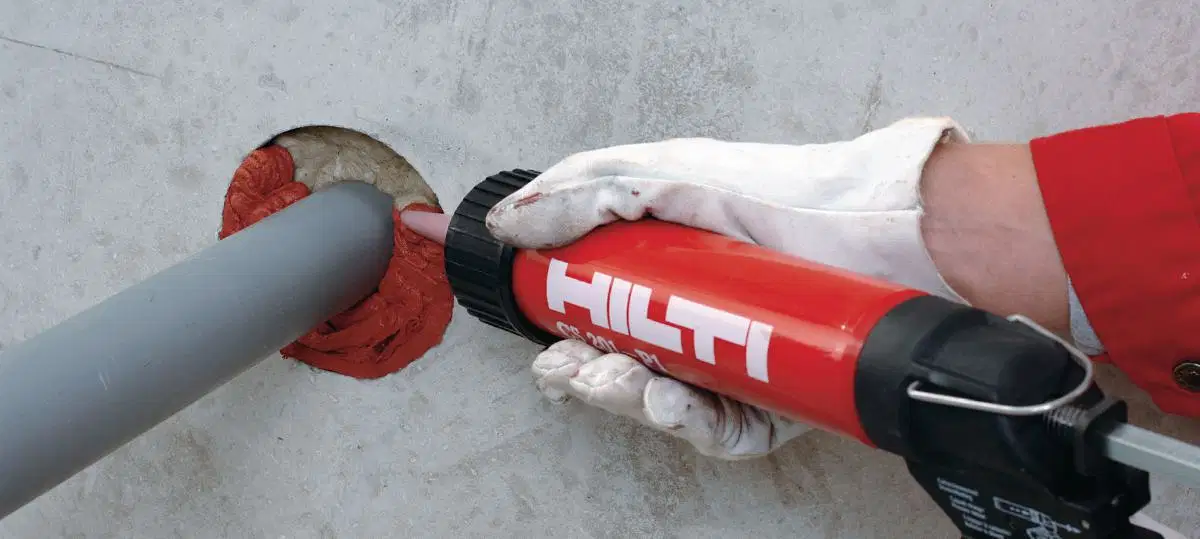
- Using General-Purpose Caulk or Spray Foam: Bright orange spray foam is for insulation, not fire protection. Standard caulks will burn away in minutes. Professional firestopping requires specific, UL-certified intumescent or fire-rated sealants that are tested to withstand extreme temperatures for a designated period.
- Incorrect Application: Every firestop system has a specific engineering judgment or UL-listed design that dictates the type of sealant, the depth of the application, and whether materials like mineral wool are required. Simply squirting sealant into a hole is not enough and will fail an inspection.
- Ignoring Small Gaps: It's easy to think a small hole for a single data cable is insignificant, but smoke and toxic gases can pour through the tiniest of openings, incapacitating people long before the flames arrive.
True fire safety relies on meticulous attention to detail and a deep understanding of building codes and material science. It's a specialized trade that demands experience and certification to ensure the safety and integrity of your building.
Beyond Fire Safety: The Role of Interior Caulking in Kitchen Hygiene
While firestopping protects against a potential catastrophe, another type of sealing is crucial for your daily operations: professional interior caulking. The same attention to detail that goes into fire protection is vital for maintaining a clean and hygienic kitchen environment.
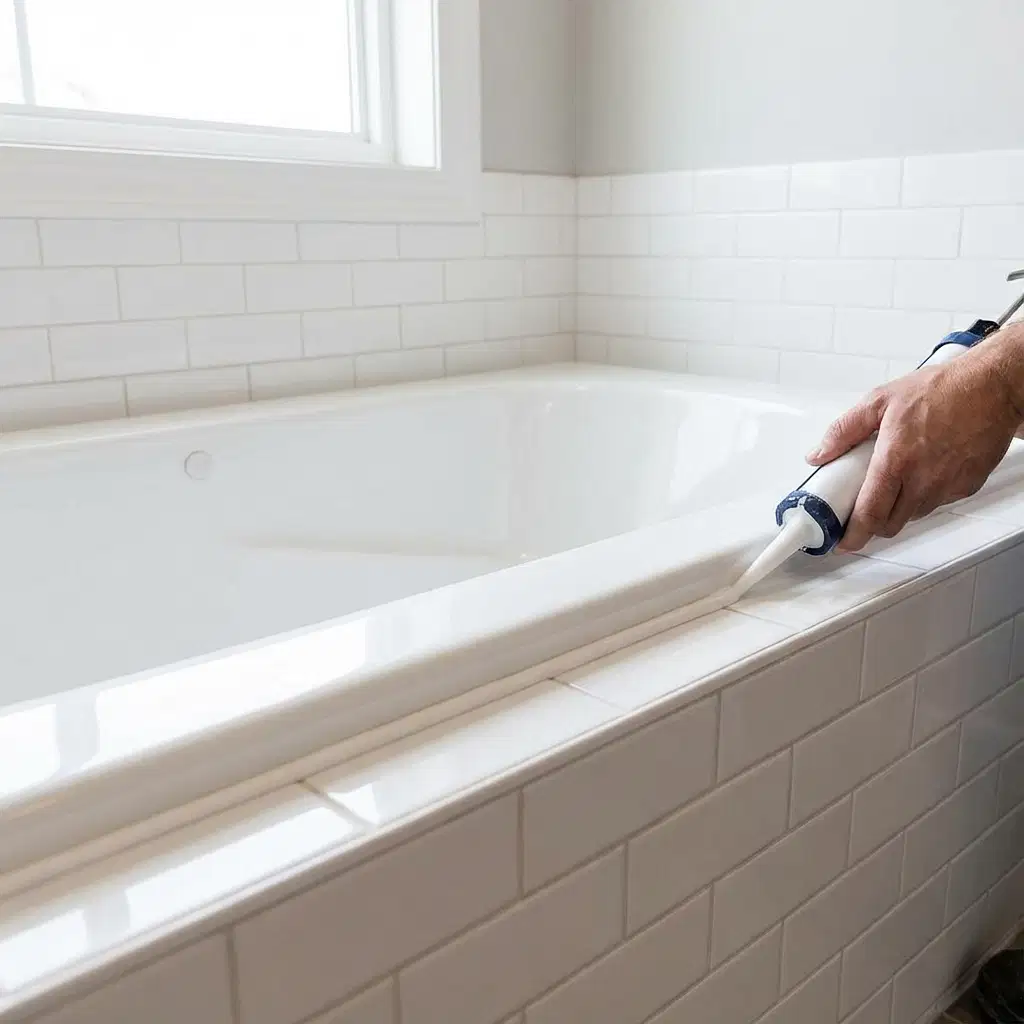
In a restaurant, gaps between countertops, backsplashes, sinks, and floor fixtures are more than just an aesthetic issue. They are breeding grounds for bacteria, a pathway for pests, and a point of entry for water, which can lead to mold and structural damage. Health inspectors look for these gaps for a reason.
Professional interior caulking uses commercial-grade, mold-resistant silicone and sealants that can withstand the harsh cleaning chemicals, high humidity, and temperature fluctuations of a commercial kitchen. A clean, seamless seal not only makes cleaning easier and more effective but also demonstrates a commitment to the highest standards of food safety and operational excellence. From a small cafe in Port Dalhousie to a large-scale restaurant, a properly sealed kitchen is a healthier, safer, and more durable kitchen.
Protect Your Business with Professional Sealing Solutions
Your restaurant is more than just a business; it's a significant investment and a place where people in our community gather. Ensuring its safety requires a comprehensive approach that goes beyond the visible systems. Proper firestopping is your building's silent guardian, while professional interior caulking is essential for maintaining daily hygiene and compliance.
Don't leave the safety of your establishment to chance. If you own or manage a commercial kitchen in St. Catharines or the surrounding Niagara Region, it's time to ensure your passive fire protection and interior seals are up to code and professionally installed. Contact Niagara Caulking & Firestopping today for a thorough assessment and expert service you can trust.