Beyond the Sprinklers: A Property Manager’s Guide to Firestopping in Multi-Unit Buildings
As a property manager in the Niagara Region, you juggle a dozen priorities every day: tenant satisfaction, maintenance requests, budget management, and vendor coordination. But beneath all these pressing tasks lies a fundamental responsibility that impacts everything else: the safety of your residents and the integrity of your property. While active fire suppression systems like sprinklers and alarms are visible and well-understood, a critical, unseen component of fire safety is often overlooked: passive fire protection, specifically firestopping.
In a multi-unit residential building, a fire in one suite can become a catastrophe for the entire complex if not properly contained. Firestopping is your building’s first line of defense, working silently to compartmentalize a fire, containing it to its point of origin. This guide will walk you through what firestopping is, why it’s non-negotiable for compliance with the Ontario Building Code, and how a proactive approach can protect your tenants, your investment, and your peace of mind.
The Unseen Shield: What is Firestopping and Why Does It Matter?
Think of your building’s fire-rated walls and floors as a series of sealed, protective boxes designed to contain fire and smoke. However, these barriers are constantly breached by essential services—plumbing pipes, electrical wires, data cables, and HVAC ducts must pass through them to service each unit. Every one of these openings, or penetrations, creates a potential pathway for fire and toxic smoke to spread rapidly from one unit to another.
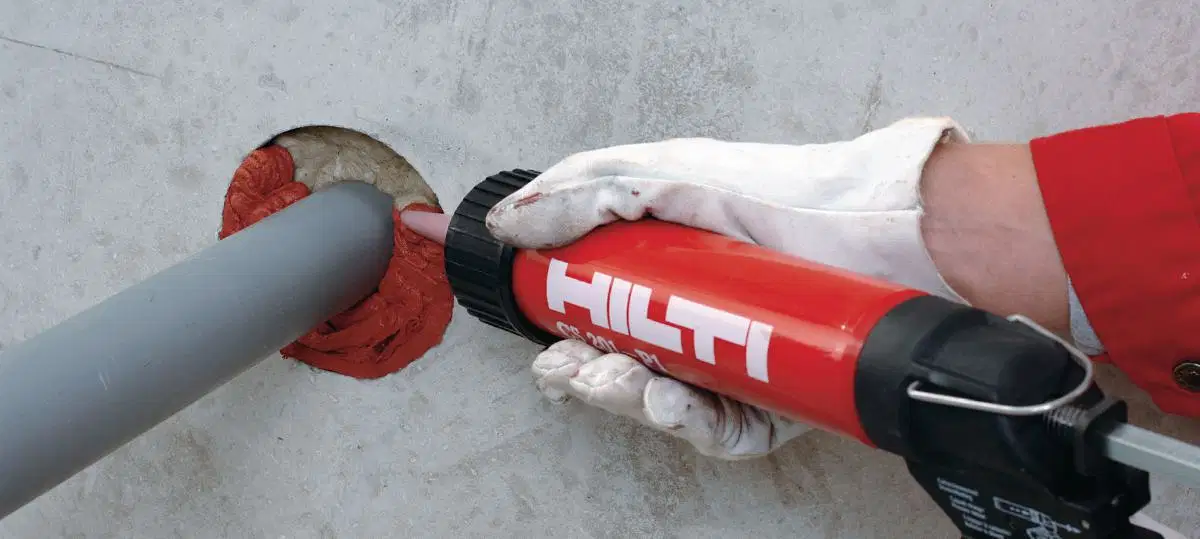
Firestopping is the process of sealing these openings with specialized, fire-rated materials and systems. Its purpose is to restore the fire-resistance rating of the wall or floor assembly that has been penetrated. It is not just caulking; it's an engineered life-safety system.
Unlike active systems (sprinklers) that activate to extinguish a fire, passive firestopping works 24/7 to contain it. The two systems are designed to work in tandem. Firestopping contains the blaze, giving sprinklers time to activate and residents crucial minutes to evacuate safely. Neglecting this system is not just a maintenance oversight; it's a failure to comply with mandatory life-safety requirements outlined in the Ontario Building Code, which can lead to significant legal and financial liability.
Common Trouble Spots in Multi-Unit Residences
During routine maintenance, tenant-led renovations, or new service installations, firestopping can be compromised or removed entirely and not replaced. As a property manager, knowing where to look is half the battle. Here are the most common trouble spots in apartment and condo buildings:
- Utility Penetrations: This is the number one area of concern. Check walls and floors in service closets, boiler rooms, and above ceilings in common hallways where plumbing, electrical conduits, and communication cables pass between units or floors.
- Suite Demising and Corridor Walls: The walls separating one tenant's home from another, or from a public corridor, are fire-rated. Any penetration—from a new cable line to a plumbing repair—must be properly sealed.
- Joints and Gaps: Look for gaps at the top of walls where they meet the floor deck above (head-of-wall joints) and at the edge of floor slabs (perimeter slab-edge joints). These gaps can act as highways for smoke.
- Service Shafts: Elevator shafts, garbage chutes, and utility risers are vertical channels that can allow fire to spread through a building in minutes if not properly firestopped at every floor level.
The Risks of Neglecting Firestopping Maintenance
An incomplete passive fire protection system is a significant liability. The potential consequences of overlooking firestop maintenance extend far beyond a simple building code infraction. The risks are substantial:
- Compromised Tenant Safety: This is the most critical risk. Improperly sealed penetrations allow toxic smoke—the leading cause of fire-related fatalities—to quickly fill corridors and adjacent units, blocking escape routes and endangering lives.
- Legal and Financial Liability: In the event of a fire, failure to meet the Ontario Building Code can result in severe fines, legal action from tenants, and difficulty with insurance claims. Proving due diligence through proper maintenance and documentation is essential for risk management.
- Catastrophic Property Damage: Effective firestopping contains a fire to a single compartment, minimizing damage. Without it, a small kitchen fire can rapidly escalate, leading to devastating structural damage, widespread water damage from sprinklers, and costly, complex repairs that displace dozens of residents.
A Proactive Partnership for Compliance and Safety
Ensuring your building’s firestopping is intact and compliant is not a task for a general handyman. It requires specialized knowledge of tested systems, application techniques, and the building code. Partnering with a professional firestopping contractor is the most effective way to manage your building's passive fire protection.
A professional assessment involves a thorough inspection of your property to identify any breaches in your fire-rated assemblies. Following the survey, you should receive a detailed report and a clear plan to address any deficiencies using certified products and systems. This proactive approach not only brings your building into compliance but also provides crucial documentation for your records.
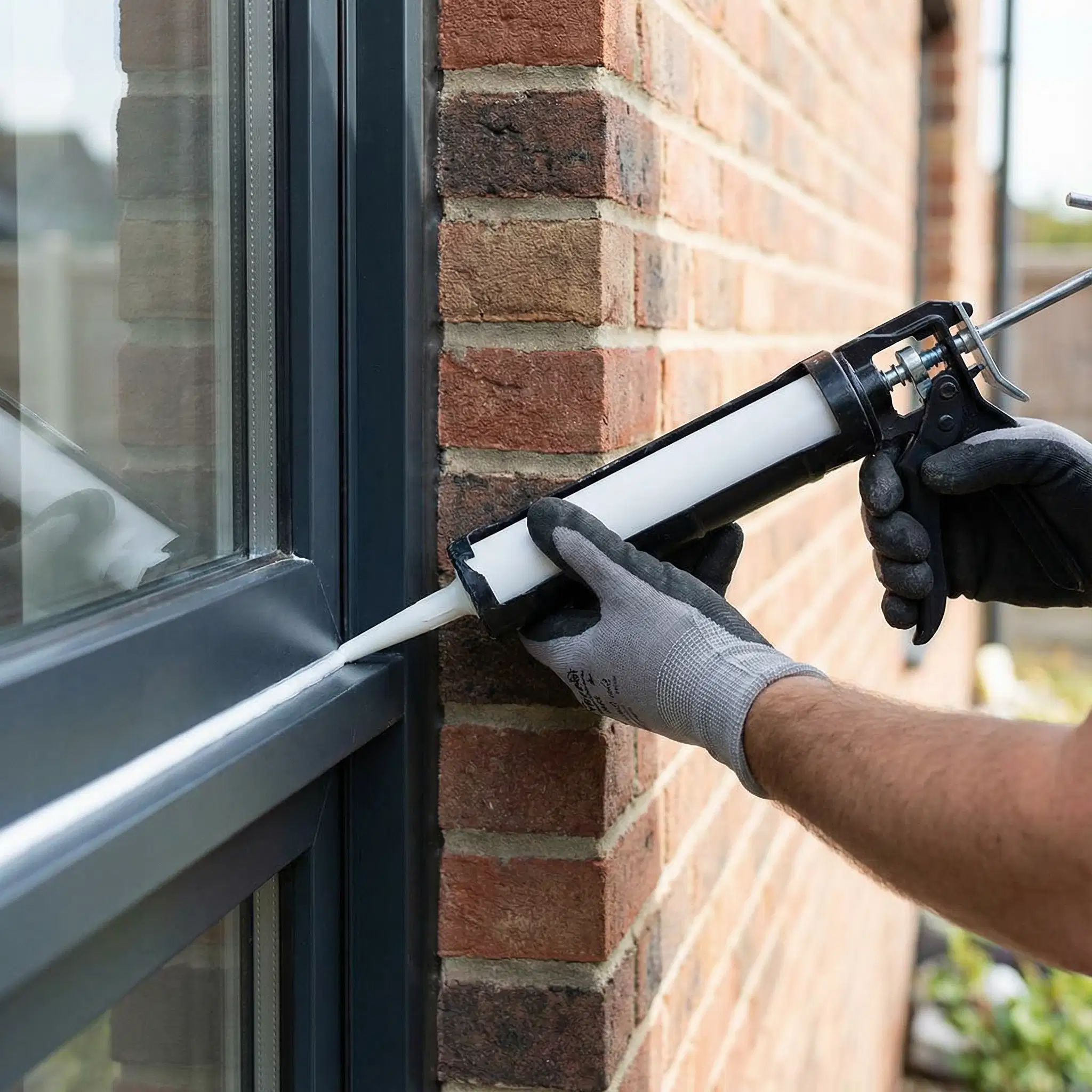
At Niagara Caulking & Firestopping, we specialize in professional firestopping services that ensure your property meets all safety and code requirements. We also provide expert interior caulking to seal gaps and improve smoke and draft control, further enhancing the safety and comfort of your building.
Don't wait for an inspection or an incident to discover a weakness in your building's fire defenses. Protect your tenants and your investment with a proactive strategy. If you manage a multi-unit residential property in St. Catharines or the wider Niagara Region, contact us today for a comprehensive firestopping assessment. Let’s work together to ensure your building is as safe as it can be. Get in touch with our team to schedule a consultation.