Beyond Compliance: Why Professional Firestopping is Critical for Healthcare Facilities
In a healthcare environment, safety isn't just a priority—it's the foundation of patient care. While active fire suppression systems like sprinklers are well-known, a silent but equally crucial system works 24/7 to protect vulnerable patients and staff: passive fire protection. For hospitals, clinics, and long-term care homes across the Niagara Region, professional firestopping is a non-negotiable component of this system. It's about more than just meeting the building code; it's about creating a robust barrier against the spread of fire, smoke, and even airborne pathogens.
Managing a medical facility renovation or new build comes with immense pressure to ensure every detail adheres to strict regulations. This post will explore why specialized firestopping is essential in medical settings, how it contributes to patient safety and infection control, and what to look for when choosing a contractor for this critical task.
What is Firestopping and Why is it Different in a Medical Setting?
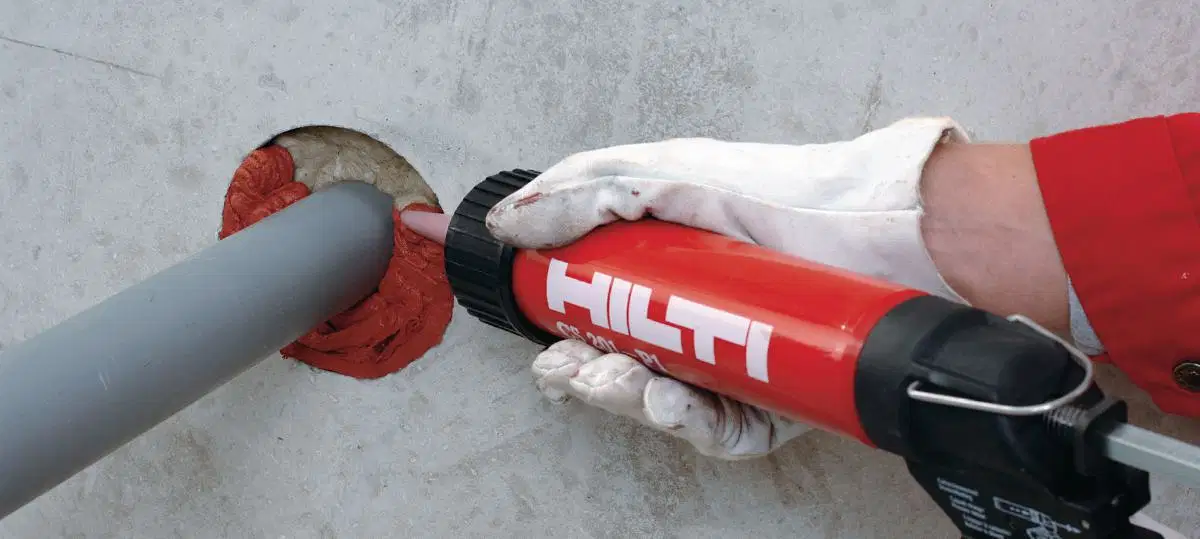
At its core, firestopping is the process of sealing openings and joints in fire-rated walls, floors, and ceilings. Modern buildings are filled with penetrations for plumbing, electrical wires, data cables, and HVAC systems. While necessary for function, each opening compromises the integrity of a fire-rated barrier. Firestopping uses specialized sealants, putties, and devices to restore that barrier, effectively compartmentalizing a building to contain a fire to its point of origin.
In a healthcare facility, the complexity and stakes are significantly higher:
- Complex Infrastructure: Hospitals and clinics have a vast network of critical systems. This includes standard utilities plus specialized lines for medical gases like oxygen, vacuum systems, and sensitive data networks for patient monitoring. Each of these penetrations must be perfectly sealed with materials rated for that specific application.
- Infection Control: The role of sealing penetrations goes beyond fire safety. Gaps and cracks can become pathways for dust, mold, and airborne pathogens, compromising sterile environments. Professional interior caulking and firestopping create a seamless, airtight barrier that is crucial for maintaining hygiene and preventing cross-contamination between rooms.
- Regulatory Scrutiny: Healthcare facilities are subject to the most stringent sections of the Ontario Building Code. Failure to comply isn't just a risk—it can lead to failed inspections, costly rework, and significant liability. Ensuring every penetration is sealed by a certified professional is essential for navigating these complex legal requirements.
The Vital Role of Firestopping in Patient and Staff Safety
In the event of a fire, time is the most valuable resource. This is especially true in a hospital where many patients may be non-ambulatory or dependent on life-support equipment. Effective firestopping is designed to buy that precious time.
By containing fire and smoke to a single compartment, a properly installed firestop system can delay its spread for hours. This containment strategy is vital for several reasons:
- Safe Evacuation: It provides a critical window for staff to safely evacuate patients, following established protocols without the immediate threat of encroaching smoke or flames.
- Protecting Critical Systems: A fire that compromises a hospital's electrical grid, data centre, or medical gas lines can have catastrophic consequences far beyond the fire's initial location. Firestopping protects these vital arteries, ensuring life-support and monitoring systems can continue to function during an emergency.
- Controlling Smoke and Toxic Fumes: The majority of fire-related fatalities are caused by smoke inhalation, not the fire itself. A complete firestop system is also a smoke-stop system, preventing the rapid spread of toxic fumes through walls and floors, keeping escape routes and other patient areas clear and safe.
Choosing the Right Firestopping Contractor for Your Healthcare Project
Not all contractors are equipped to handle the unique demands of a medical environment. The quality of a firestopping installation is only as good as the technician performing the work. When selecting a partner for your healthcare facility project, it's crucial to prioritize expertise and reliability.
Here’s what to look for in a qualified firestopping contractor:
- Experience in Healthcare Settings: Do they understand the importance of infection control protocols, like dust containment and negative air pressure? Are they flexible enough to work around patient care schedules to minimize disruption? A contractor with proven experience in hospitals and clinics will know how to operate safely and efficiently within your sensitive environment.
- Certified Technicians and Tested Systems: Ask for proof of certification. Professional installers are trained to use specific, tested systems (the combination of the penetrating item, the barrier, and the firestop product) that are approved for use under the Ontario Building Code. Using the wrong product or an improper technique can render the firestop useless.
- Meticulous Attention to Detail: There is no room for error. A tiny gap or an incorrectly applied sealant can compromise the entire fire-rated barrier. A trustworthy contractor will demonstrate a commitment to quality workmanship and will be able to provide documentation and reports on their installations for your records.
- Deep Knowledge of Building Codes: Your contractor should be an expert on the latest code requirements for healthcare facilities, ensuring your project passes inspection the first time and avoids costly delays.
Protect Your Facility and Its Occupants with Expert Firestopping
In healthcare construction and maintenance, firestopping is a critical life-safety system that demands professional expertise. It protects your most vulnerable occupants, safeguards your essential infrastructure, and ensures you remain compliant with all provincial regulations. By creating effective fire and smoke compartments, you provide the time needed for safe evacuation and emergency response.
At Niagara Caulking & Firestopping, we understand the unique challenges and stringent requirements of working in medical facilities. Our certified team has the specialized knowledge to ensure your St. Catharines hospital, clinic, or care facility is safe, compliant, and protected.
If you are planning a renovation or new construction project, don't leave safety to chance. Contact us today to discuss your firestopping and interior sealing needs and learn how we can help protect your facility and everyone in it.