A Lesson in Safety: Why Professional Firestopping is Non-Negotiable for Schools
As a facility manager or school board administrator, the safety of students, teachers, and staff is your highest priority. You have active fire safety systems in place—sprinklers, alarms, and extinguishers. But what about the silent, unseen protection that works 24/7 to contain a fire and prevent its spread? This is the critical role of passive fire protection, and specifically, professional firestopping. In educational facilities across the Niagara Region, where renovations and technology upgrades are constant, ensuring the integrity of your building's fire barriers is a fundamental responsibility that cannot be overlooked.
Beyond Sprinklers: Understanding Passive Fire Protection
While active systems like sprinklers are designed to suppress a fire, passive fire protection systems are built into the structure of the building itself to contain it. The core principle is compartmentalization. Fire-rated walls, floors, and ceilings are designed to create barriers that slow or stop the spread of fire, smoke, and toxic gases from one area to another. This containment is crucial, as it buys invaluable time for safe evacuation and for first responders to arrive.
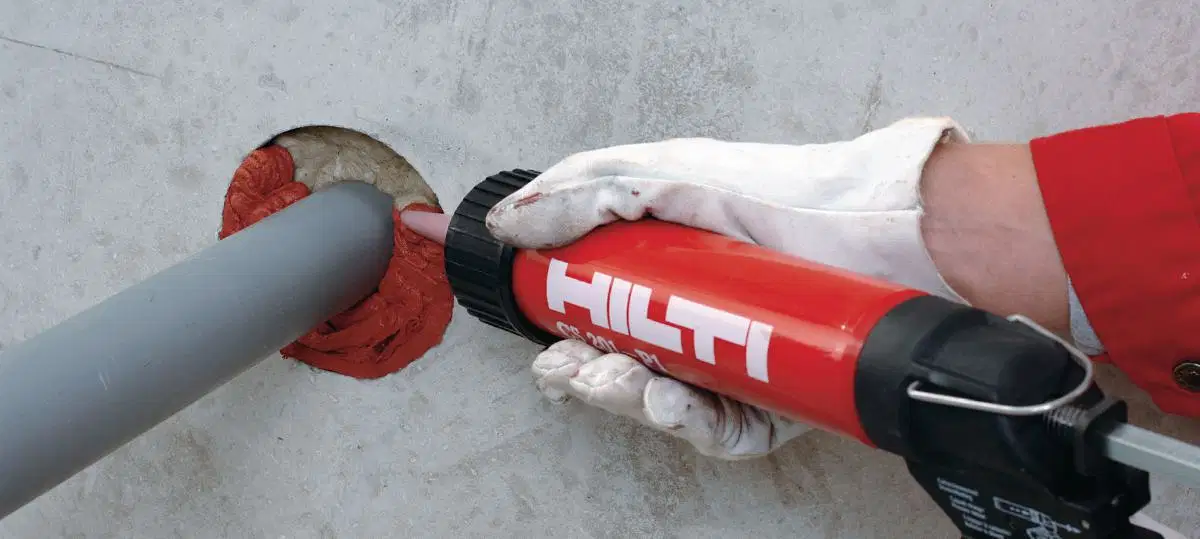
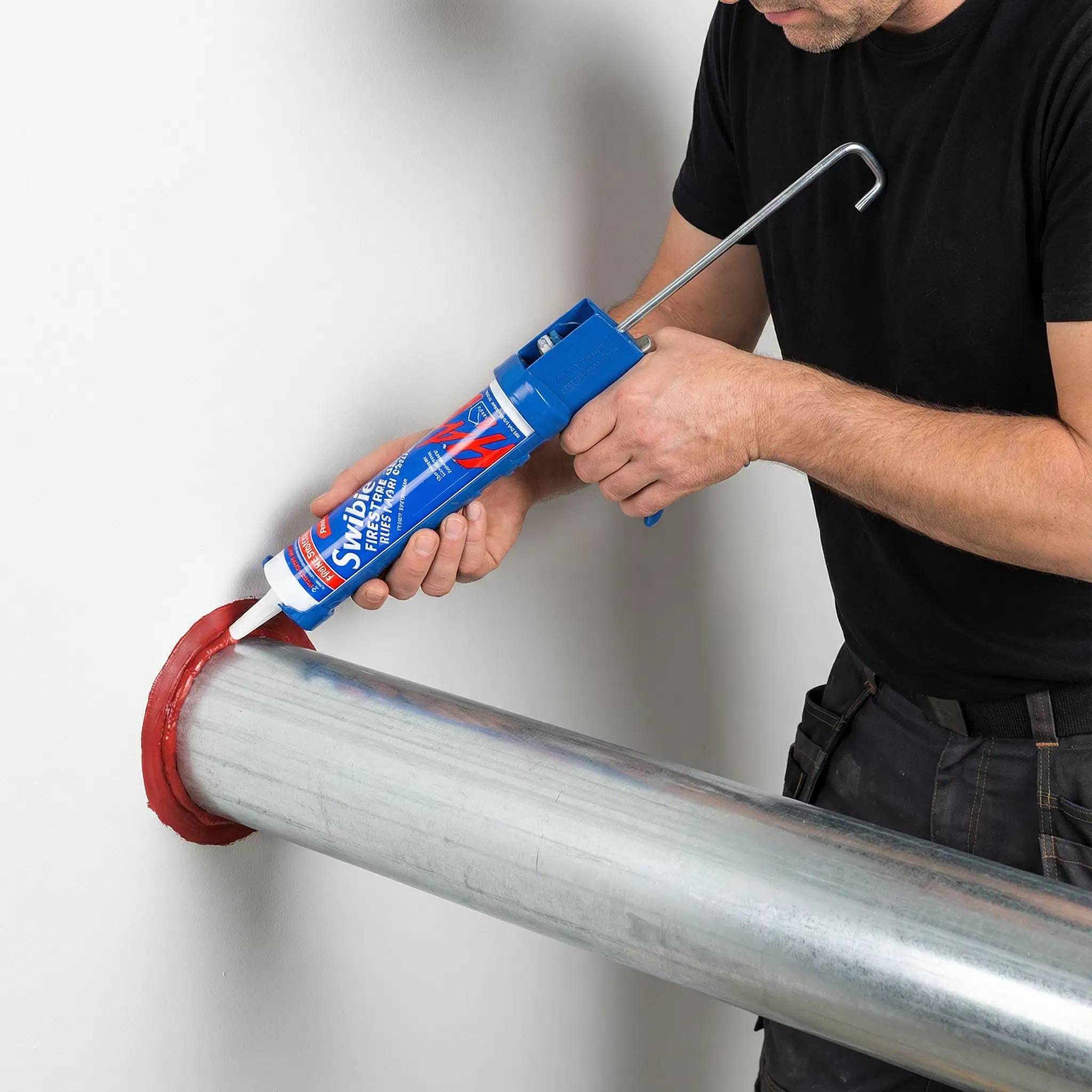
However, these fire-rated barriers are only effective if they are completely sealed. Every time a cable, pipe, duct, or wire is run through a fire-rated wall or floor, it creates a penetration—an open pathway for fire and smoke. Firestopping is the process of installing certified materials and systems to seal these openings, restoring the barrier to its original fire-resistance rating. It’s a precise science that ensures the integrity of your school’s safety infrastructure remains intact.
The Unique Fire Safety Challenges in Educational Facilities
Schools are not like other commercial buildings. They present a unique set of challenges that make comprehensive firestopping absolutely essential:
- High Occupancy and Vulnerable Populations: Classrooms, libraries, and auditoriums house large numbers of students, many of whom are young and require clear direction to evacuate safely. Containing a fire to its room of origin is paramount.
- Complex Infrastructure: Schools contain a mix of environments, from science labs with chemicals to kitchens, gymnasiums, and IT server rooms. Each space has unique utilities and penetrations that must be properly sealed.
- Constant Evolution and Renovation: The modern classroom is always changing. New smartboards are installed, computer labs are upgraded, and accessibility features are added. Every new wire or pipe run during a simple classroom reno can compromise a fire barrier if not addressed by a certified firestopping professional. An unsealed penetration effectively renders a multi-million dollar fire safety design useless.
Meeting Ontario Building Code and Ensuring Compliance
In Ontario, firestopping is not just a best practice; it is a legal requirement mandated by the Ontario Building Code (OBC). The code is explicit about the necessity of maintaining the integrity of fire separations. Failure to comply can lead to significant consequences, including:
- Failed Inspections: Non-compliant firestopping will result in failed building inspections, causing costly project delays and rework.
- Increased Liability: In the event of a fire, improper or missing firestopping can lead to devastating liability issues for the institution and its administrators.
- Compromised Safety: The most critical consequence is the risk to human life. A fire that spreads rapidly through unsealed penetrations can turn a manageable incident into a catastrophe.
Working with a contractor who understands the specific requirements of the OBC and uses only ULC-listed, tested firestop systems is non-negotiable. This ensures that every penetration is sealed correctly, documented properly, and fully compliant with provincial regulations, giving you peace of mind and a truly safe facility.
Choosing the Right Firestopping Partner for Your School
When selecting a contractor for such a critical task, you need a partner with proven expertise in the institutional sector. Look for a team that demonstrates a deep understanding of not just the products, but the entire system and its application within the unique environment of a school. They should be able to work efficiently and cleanly, often around school schedules, to minimize disruption to learning.
Furthermore, a comprehensive approach to building safety includes more than just firestopping. Professional interior caulking plays a vital role in smoke sealing around doors, windows, and joints. This helps to further compartmentalize smoke, which is often the most dangerous element of a fire. A knowledgeable contractor can assess and address all aspects of your building's passive fire and smoke protection needs.
Prioritize Safety with Professional Firestopping
Your school's fire safety plan is a complex system with many layers. While alarms and sprinklers are the visible components, the invisible shield of passive fire protection is what truly holds the line when it matters most. Ensuring that every penetration in your fire-rated walls and floors is professionally sealed is one of the most important investments you can make in the safety of your students and staff.
Don't leave the safety of your educational facility to chance. If you are planning a renovation or want to ensure your building is fully compliant and protected, contact the experts at Niagara Caulking & Firestopping. We provide professional firestopping and caulking services for schools and institutions throughout the Niagara Region. Reach out today for a comprehensive assessment and ensure your facility is as safe as it can be.